






Roofing Contractors in Teaneck NJ
As leading Roofing Contractors in Teaneck NJ, we possess an intimate understanding of the unique architectural characteristics and environmental conditions impacting properties throughout this dynamic Bergen County community. Teaneck is a vibrant township, conveniently accessible via major arteries like the New Jersey Turnpike (I-95), Interstate 80, and Route 4, along with local thoroughfares such as Teaneck Road and Cedar Lane. This connectivity means properties here are subject to the wear and tear associated with a bustling area, making durable and well-maintained roofing essential.
The town’s diverse landscape includes distinct areas such as West Englewood, the stately Country Club Section, and the active Teaneck Road Corridor, extending towards East Hackensack. Each area contributes to the unique fabric of Teaneck. The housing stock itself is notable, featuring historic colonial-era homes, charming Dutch stone houses, and many beautiful homes known for their strong curb appeal. It’s not uncommon to find well-preserved historic homes from the 1700s, each with its own specific roofing requirements. While many residences benefit from modern asphalt shingles, some of these older, grander properties may feature slate or tile roofs, demanding specialized care and expertise. In the more commercial areas, such as along Cedar Lane, flat roofs are a common and practical solution for businesses.
Teaneck’s location in northern New Jersey means it experiences a humid subtropical climate, bringing a specific set of challenges for roofing systems year-round. Property owners frequently contend with:
- Heavy snowfall and ice dams: Cold winters lead to significant snow accumulation, often resulting in ice dams that can cause water to back up and infiltrate the roof structure.
- High winds from nor’easters: Being relatively close to the coast increases the risk of high winds, which can lift, tear, or damage shingles and flashing.
- Heavy rainfall and potential flooding: The proximity to the Hackensack River can contribute to substantial rainfall, leading to water ponding on roofs and increasing leak risks if drainage systems are compromised.
- Temperature fluctuations: The recurring freeze-thaw cycles between seasons can degrade roofing materials over time, leading to cracks, warping, and reduced lifespan.
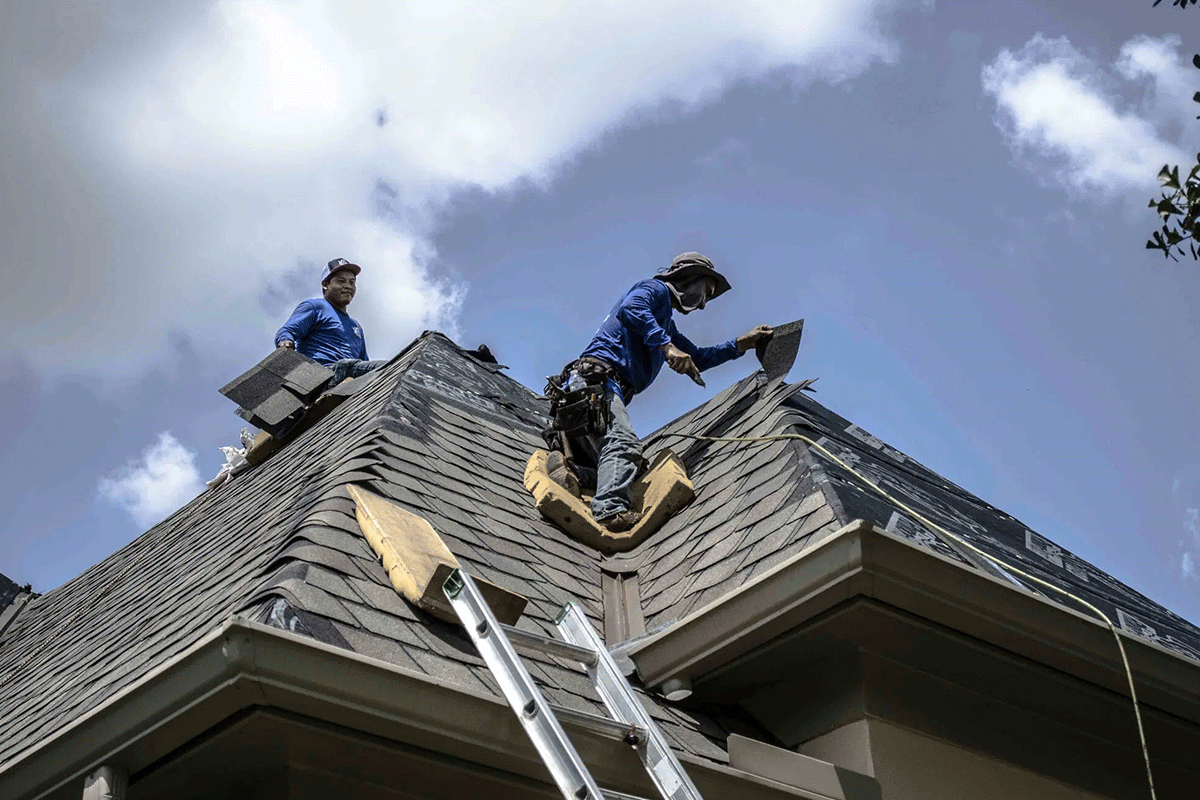
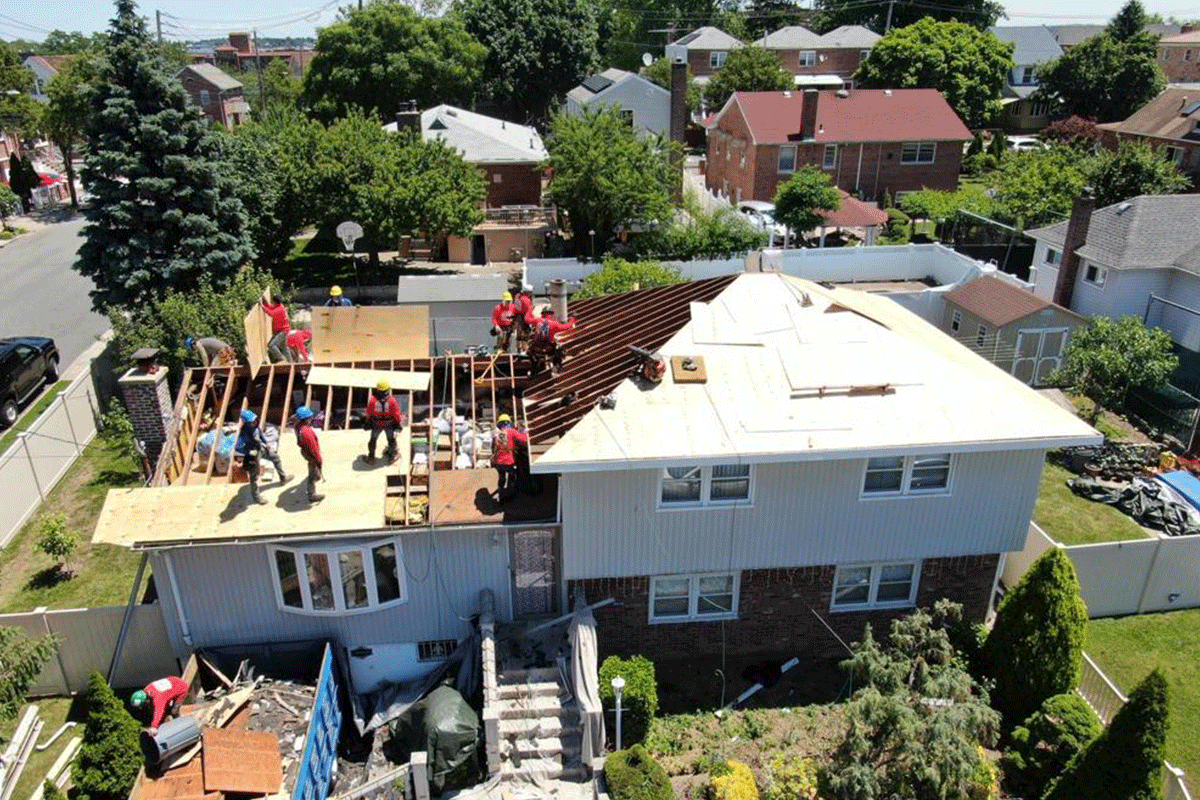
Our team recently completed a roof replacement project on a charming colonial-style home in the Country Club Section of Teaneck, where aging asphalt shingles were showing signs of significant wear and tear from years of these local weather stressors. We ensured the new roofing system was installed with enhanced weatherproofing specific to Bergen County’s climate, providing long-lasting protection.
Client Testimonial
“I was so impressed with the professionalism and efficiency of the team. They replaced my roof after a harsh winter, addressing some persistent leaks. Living in Teaneck, we know how tough the weather can be, and it’s great to have a reliable company you can trust. The new roof looks fantastic and has already handled a few heavy rains without an issue. Highly recommend their roof repair services!” – A Satisfied Homeowner in Teaneck, NJ.
Beyond the daily elements, Teaneck also boasts significant landmarks that contribute to its community identity. The historic site and state park of New Bridge Landing, Votee Park with its extensive sports fields, the serene Teaneck Creek Conservancy, and the Hackensack River Greenway National Recreation Trail all speak to the town’s rich heritage and natural beauty. These local points of interest are often bordered by residential and commercial properties that require durable roofing solutions to protect their investments.
Understanding and navigating local regulations is a critical part of any roofing project. All roofing projects in Teaneck NJ must comply with the town’s specific permit requirements and adhere strictly to the New Jersey Uniform Construction Code (NJ UCC). Our team ensures that every project, from minor repairs to extensive chimney work or full roof replacements, meets all necessary local and state building codes, providing peace of mind and guaranteeing the longevity of your investment.
FAQs for Roofing Contractors in Teaneck NJ
What are common signs that a roof in Teaneck needs repair or replacement?
Residents in Teaneck should look for several key indicators. Granules in gutters suggest asphalt shingle wear, while cracked, curled, or missing shingles are clear signs of damage, often from high winds or temperature fluctuations. Water stains on ceilings or walls, particularly after heavy rainfall, indicate leaks. Sagging areas of the roof or visible daylight through the attic are more severe structural concerns. Given Teaneck’s climate with heavy snowfall and freeze-thaw cycles, regular inspections are crucial to catch these issues early and determine if a simple repair or a full replacement is necessary.
How does Teaneck’s proximity to the Hackensack River impact roofing?
Teaneck’s proximity to the Hackensack River means properties can experience more significant heavy rainfall and associated moisture concerns. This increases the risk of water ponding on roofs, especially with clogged gutters, which can lead to leaks and accelerate material degradation. It also contributes to the overall humidity, potentially fostering mold or algae growth on roof surfaces. Effective drainage solutions and robust waterproofing are particularly important for Teaneck homes and businesses to mitigate these water-related stressors and protect against structural damage over time.
What kind of roofing materials are commonly recommended for Teaneck homes?
For many Teaneck homes, especially those in areas like West Englewood or the Teaneck Road Corridor, asphalt shingles remain a popular and cost-effective choice, offering good durability against local weather. For the historic colonial-era homes or Dutch stone houses, materials like slate or tile may be recommended to maintain architectural integrity and provide superior, long-lasting protection. When considering any material, it’s essential to select options that can withstand heavy snowfall, high winds, and the freeze-thaw cycles common to Teaneck’s humid subtropical climate, ensuring long-term performance.
Is attic ventilation important for roofs in Teaneck NJ?
Yes, proper attic ventilation is extremely important for roofs in Teaneck NJ. In cold winters, good ventilation helps prevent ice dams by keeping the attic temperature closer to the outside temperature, preventing snow from melting and refreezing at the eaves. During hot, humid summers, it helps exhaust superheated air from the attic, reducing energy costs by making air conditioning more efficient and extending the lifespan of roofing materials by preventing premature aging due to excessive heat buildup. Adequate airflow is key to a healthy roof system in Teaneck’s variable climate.
How often should a roof in Teaneck be inspected?
Given Teaneck’s challenging climate, which includes heavy snowfall, high winds from nor’easters, and significant temperature fluctuations, it is generally recommended that roofs be inspected at least once a year. Ideal times are in the spring, after winter’s harsh conditions, and in the fall, to prepare for the upcoming cold season. Properties with older roofs, or those that have recently experienced severe weather events like heavy storms, might benefit from more frequent checks to catch potential damage early and prevent more costly repairs down the line.
Do Teaneck’s historic homes require special roofing considerations for maintenance?
Absolutely. Teaneck is home to well-preserved historic colonial-era and Dutch stone houses from the 1700s, which often feature unique architectural elements and original roofing materials like slate or tile. Maintaining these roofs requires a contractor with specialized knowledge of historic preservation techniques and the ability to source appropriate materials that match the building’s aesthetic and structural needs. General repairs might not suffice; often, a deeper understanding of period construction is necessary to ensure any work preserves the home’s historical integrity while providing effective protection.
If you want an inspection, the next step is requesting an estimate.