

When it comes to maintaining the shelter over our heads, few projects are as significant-or as daunting-as replacing a roof. Beyond the practical need to protect against the elements, a new roof can transform the appearance and value of a home. Yet, for many homeowners, the question that looms large isn’t just “when,” but “how much?” Understanding the costs involved in roof replacement is essential to making informed decisions and avoiding unexpected financial surprises. In this article, we’ll explore the factors that influence roof replacement cost, helping you navigate the path to a secure and beautiful home with confidence.

Understanding the Core Factors Influencing Roof Replacement Prices
When it comes to estimating roof replacement expenses, several key elements come into play that can either make the project economical or a hefty investment. One of the most significant factors is the choice of roofing material. Asphalt shingles remain popular due to their affordability, whereas materials like metal, slate, or tile can significantly increase costs because of their durability and appearance.
Another impactful factor is roof complexity. The pitch, shape, and size dictate the amount of labor and materials needed. For example, steep roofs demand more safety precautions and specialized equipment, which can elevate labor charges. Similarly, roofs with multiple chimneys, skylights, or ventilation systems require additional work, directly influencing the final bill.
Additional considerations include location-specific expenses such as disposal fees, permit costs, and local labor rates. Variability in these elements can cause striking differences in price from one region to another. Weather conditions also play an understated role; for instance, regions with frequent storms might require additional waterproofing techniques or robust underlayment to withstand harsh climates.
Here’s a snapshot of some critical factors affecting roof replacement costs:
- Material type and quality
- Roof size and shape
- Labor availability and local costs
- Structural repairs required
- Disposal and permit fees
Comparing Material Choices and Their Impact on Your Budget
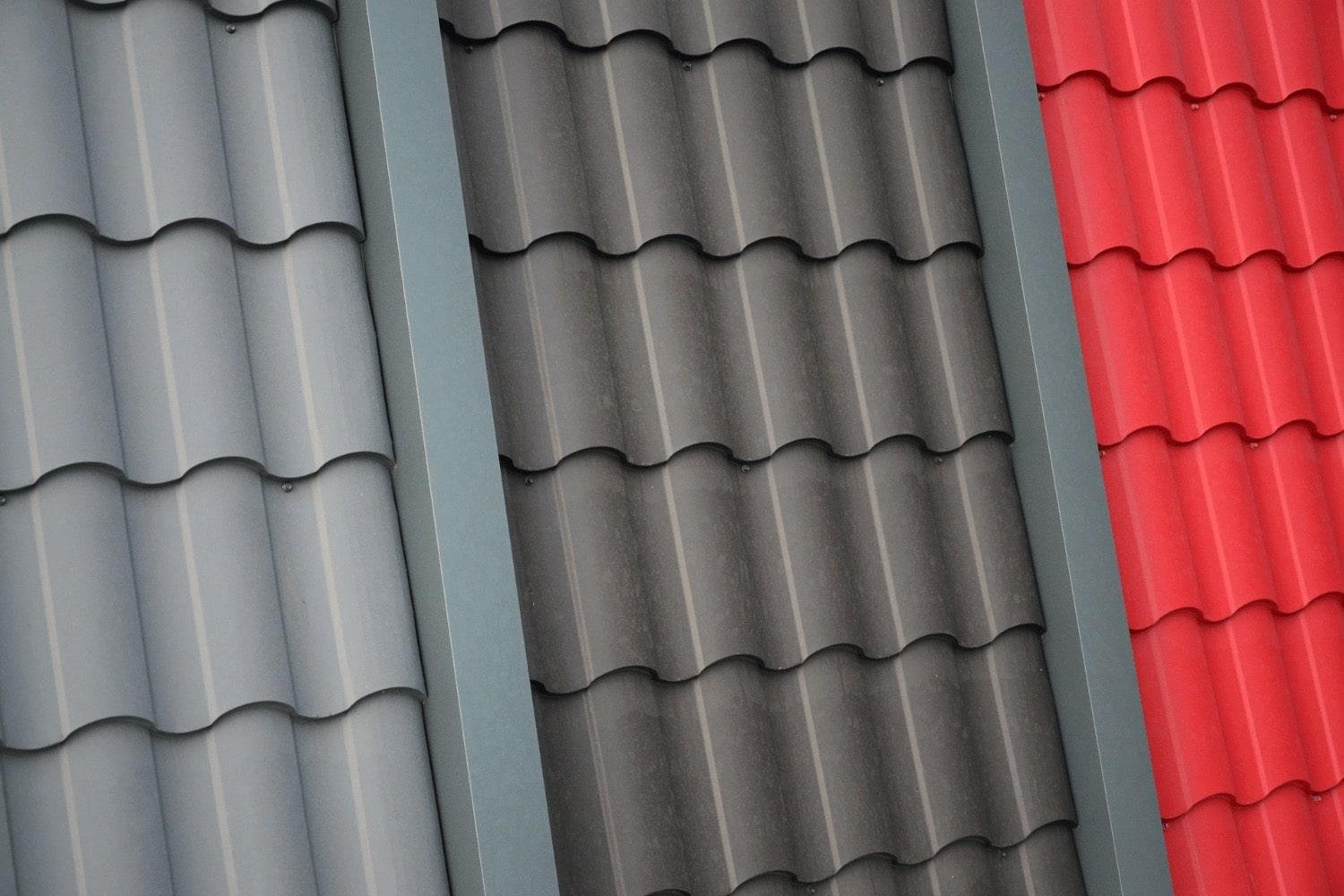
When selecting materials for your roof replacement, it’s important to balance durability, aesthetics, and cost. Asphalt shingles remain the most popular choice due to their affordability and ease of installation, making them a great option for budgets that need to stretch without compromising on quality. Metal roofing, while more expensive upfront, offers longevity and energy efficiency, often offsetting its initial cost over time. On the other hand, premium materials like slate or tile provide unmatched beauty and lifespan but come with a significantly higher price tag and may require additional structural support.
To better visualize the financial impact, consider the following common roofing materials and their average cost per square foot:
| Material | Average Cost (per sq. ft.) | Typical Lifespan |
|---|---|---|
| Asphalt Shingles | $1.50 – $4.00 | 15 – 30 years |
| Metal Roofing | $5.00 – $12.00 | 40 – 70 years |
| Wood Shingles | $6.00 – $9.00 | 25 – 40 years |
| Slate | $15.00 – $30.00 | 50 – 100 years |
| Tile | $10.00 – $18.00 | 40 – 75 years |
Beyond just pricing, take into account installation complexity, maintenance needs, and climate compatibility. For example, metal roofs are excellent for snowy areas due to their snow-shedding properties, while clay tiles excel in warm, dry climates. Weighing these factors alongside your budget ensures you make an informed decision that protects your home and provides peace of mind for years to come.
Navigating Labor Costs and Contractor Fees with Confidence
Understanding the intricacies of labor costs and contractor fees is essential when budgeting for a roof replacement. Labor expenses often vary based on factors such as the project’s complexity, location, and the skill level of the crew. Experienced contractors may charge more upfront, but their efficiency and quality workmanship can save you both time and money in the long run. Always request a detailed breakdown of labor costs to see what exactly you’re paying for-this transparency helps you avoid unexpected charges later on.
When comparing contractor fees, consider these key elements:
- Warranty and insurance coverage: Verify that contractors include these to protect your investment.
- Materials procurement: Determine if the contractor supplies materials or if you’re sourcing them yourself.
- Permits and inspections: Factor in whether these are included in the fees or will be additional.
- Payment schedules: Understand the timing of deposits and final payments to manage cash flow efficiently.
| Labor Aspect | Typical Cost Range | Notes |
|---|---|---|
| Basic Installation | $2,000 – $4,000 | Standard roofing materials, straightforward layout |
| Complex Roof Structure | $4,000 – $7,000 | Multiple angles, steep slopes |
| Removal of Old Roof | $1,000 – $2,000 | Depends on roof size and layers |
Smart Strategies to Maximize Value and Minimize Unexpected Expenses
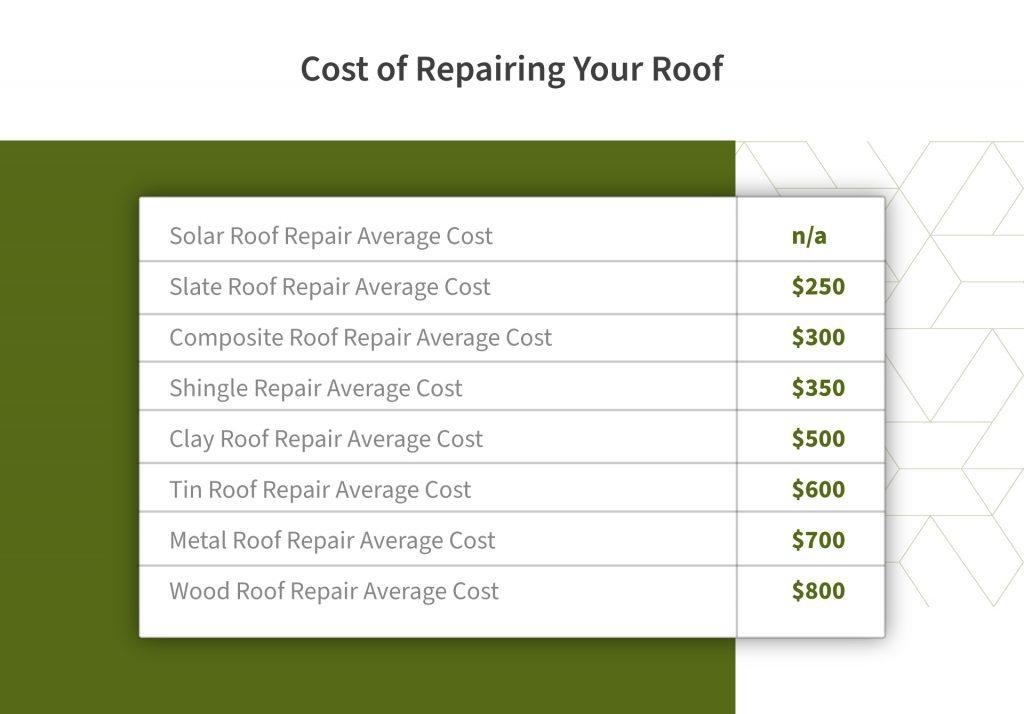
When planning a roof replacement, a proactive approach can greatly enhance the value you receive while shielding you from surprise expenses. Start by conducting a thorough inspection with a trusted roofing professional to identify hidden damages that might escalate costs later. Be sure to clarify details such as material longevity, warranty terms, and installation timelines upfront. Additionally, prioritize projects during off-peak seasons when contractors often offer competitive pricing and faster scheduling. This timing tactic not only saves money but also mitigates stress from weather delays.
Another savvy tactic is to create a well-structured budget that includes a contingency fund of at least 10-15%. This buffer is crucial for unforeseen repairs, such as replacing damaged underlayment or addressing structural issues below the surface. Consider these cost-saving measures:
- Compare multiple quotes while vetting each contractor’s reputation and previous work.
- Choose durable, cost-effective materials that balance lifespan and price, like architectural shingles over 3-tab varieties.
- Maintain good communication to promptly address any changes or challenges discovered during installation.
In Conclusion
In the end, understanding the landscape of roof replacement costs is like piecing together a puzzle-each factor from materials to labor plays its vital role. While the price tag may seem daunting at first glance, viewing it as an investment in your home’s safety and value brings clarity. Armed with knowledge and insight, you can approach your roofing project with confidence, making choices that fit your budget and protect your shelter for years to come. After all, every great home deserves a roof that stands strong above it.